
New Hope Early Learning Center

Continuity of Care
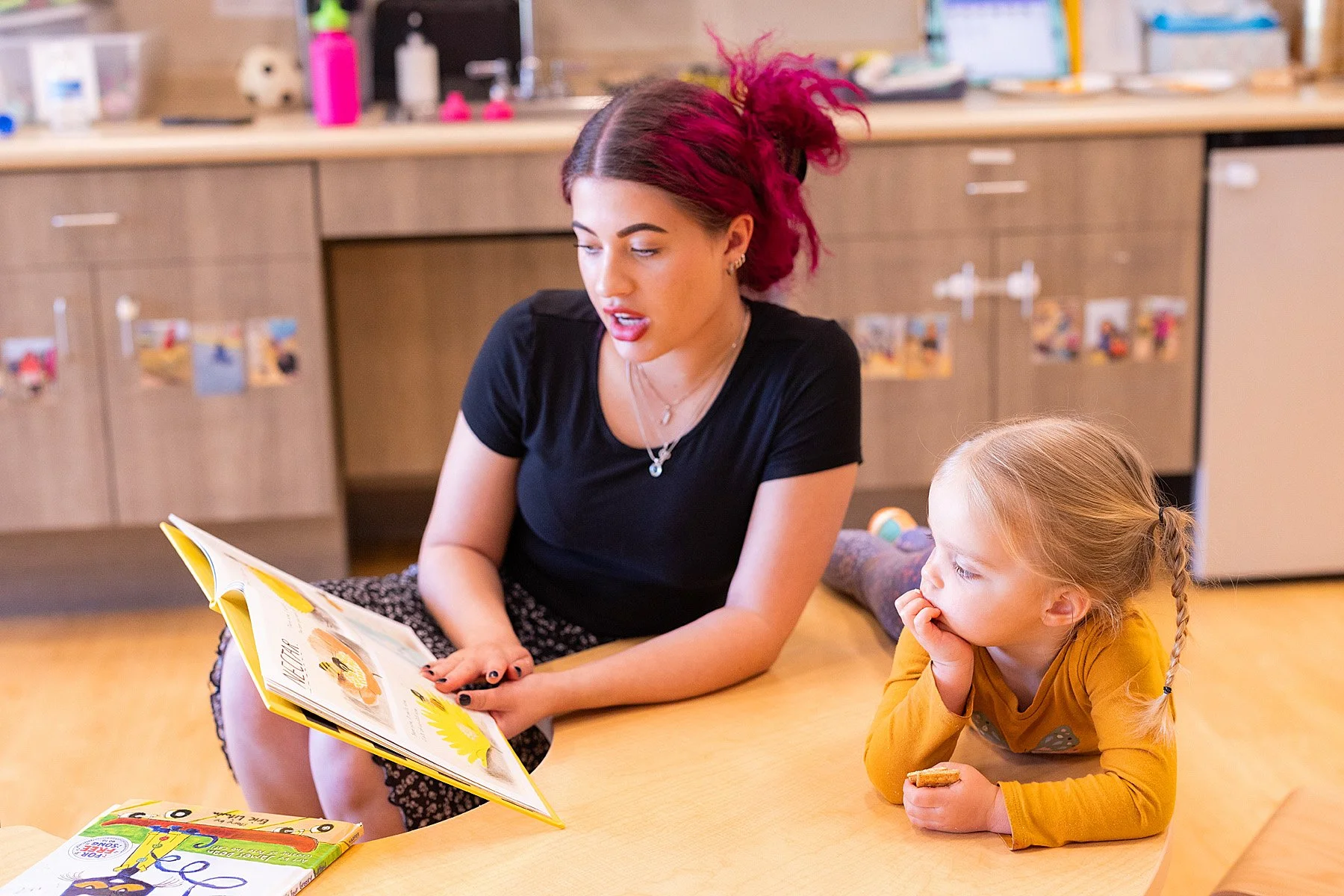
Secure relationships are the foundation of healthy development. That’s why we follow a continuity of care model, keeping children and caregivers in a cohort over a period of several years. This approach nurtures trust, emotional security, and the kind of deep connection that supports whole-child growth. Research shows that children thrive in environments where they feel known, loved, and secure. Continuity of care supports that by creating the emotional conditions children need to explore the world with confidence, curiosity, and joy.

Stable Classrooms, Strong Relationships
From infancy through preschool, children at New Hope are grouped in small, consistent cohorts designed to support both peer connection and individualized care.
Children begin in our infant/toddler program, where they are grouped into cohorts of children and teachers. While all of the children are infants, the group size is limited to eight children and two to four caregivers, allowing for focused attention and responsive caregiving. As children grow, the cohort expands to ten and then 14 children with consistent adult caregivers.
When all the children are three years old, the gently transition together into our preschool program, where up to 20 three-to-five-year-olds continue to play and learn together until they move on to kindergarten. Each step is carefully supported to ensure a smooth, confident transition.
The Power of Predictability
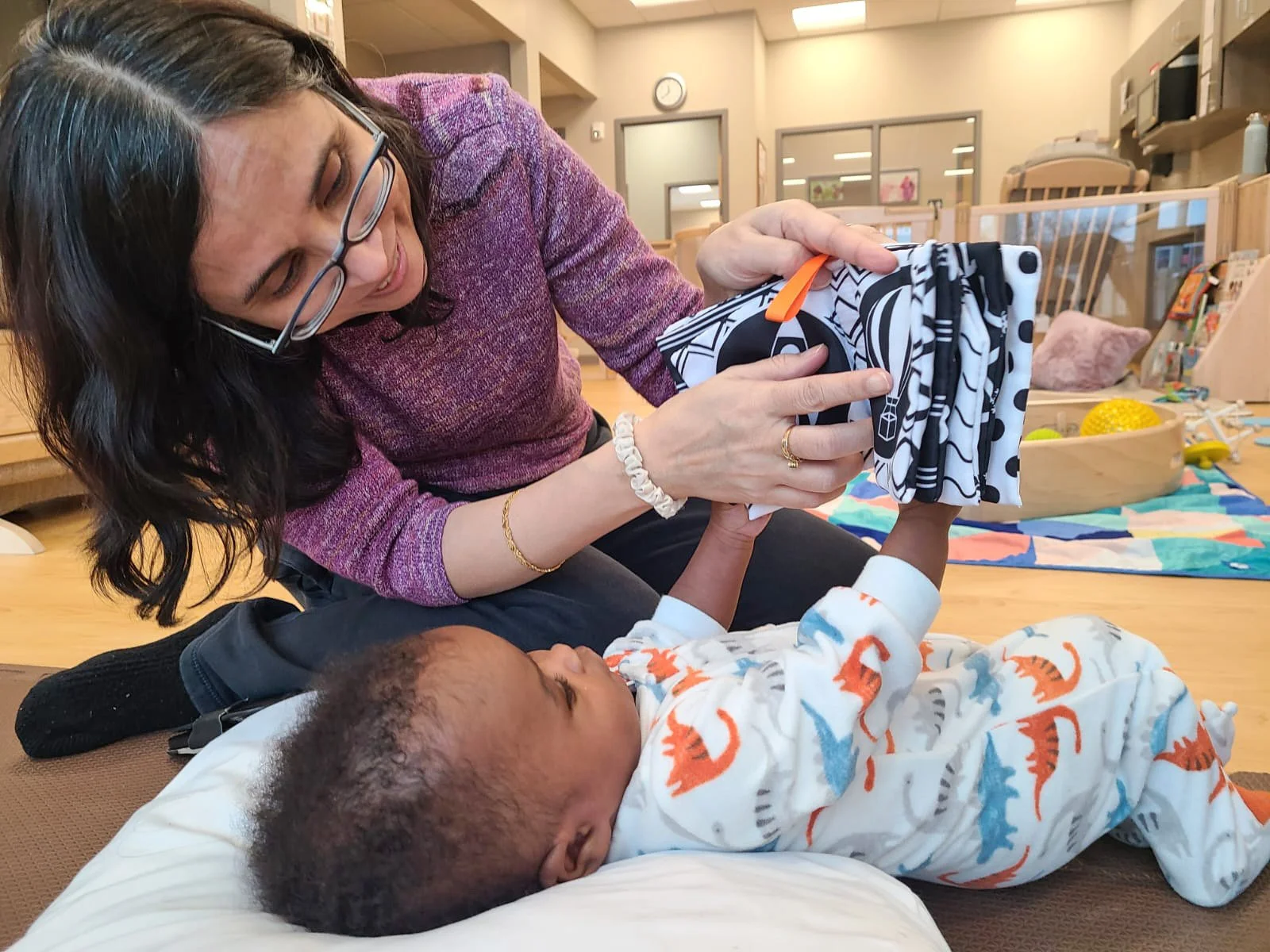
Continuity of care gives children the gift of familiarity—the same faces, the same voices, the same trusted adults who know their preferences, rhythms, and personalities as well as the same friends to learn and grow with.
This predictability fosters:
Emotional safety and self-confidence
Secure attachment and social skills
A stronger foundation for exploration and learning
Meaningful, personalized interactions with caregivers
Empathy for peers and greater understanding of learning differences
Supporting Families, Too
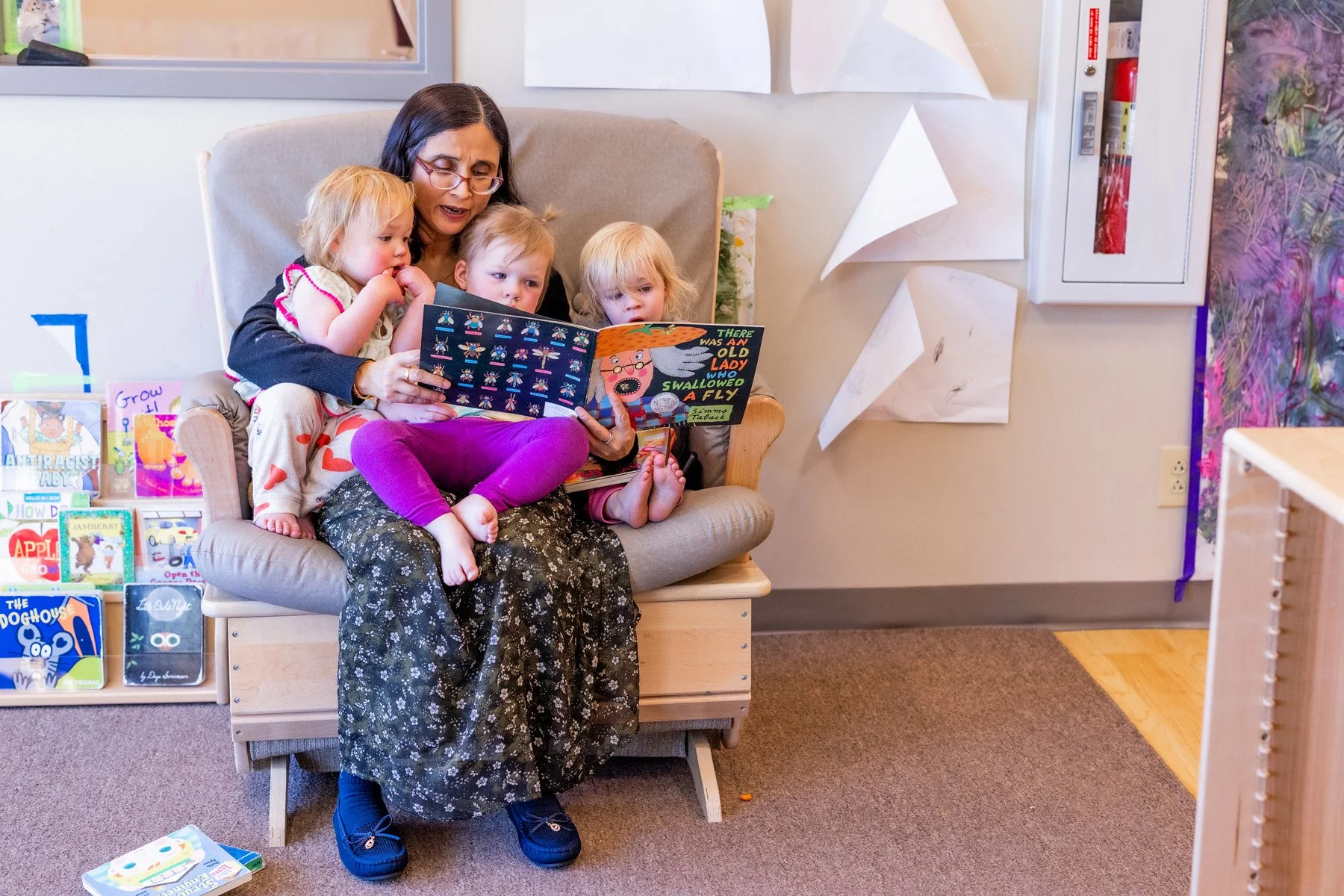
Continuity of care isn’t just beneficial for children—it also supports stronger partnerships with families. When caregivers stay connected to the same families over time, they can offer more personalized support, deeper insight into a child’s needs, and consistent communication throughout the early years.
We know how hard it is for parents to leave their young children with new adults, and these long relationships allow us to truly partner with families in their child’s development, creating a collaborative, thoughtful approach to care and education.
Fueling Bodies, Fueling Minds
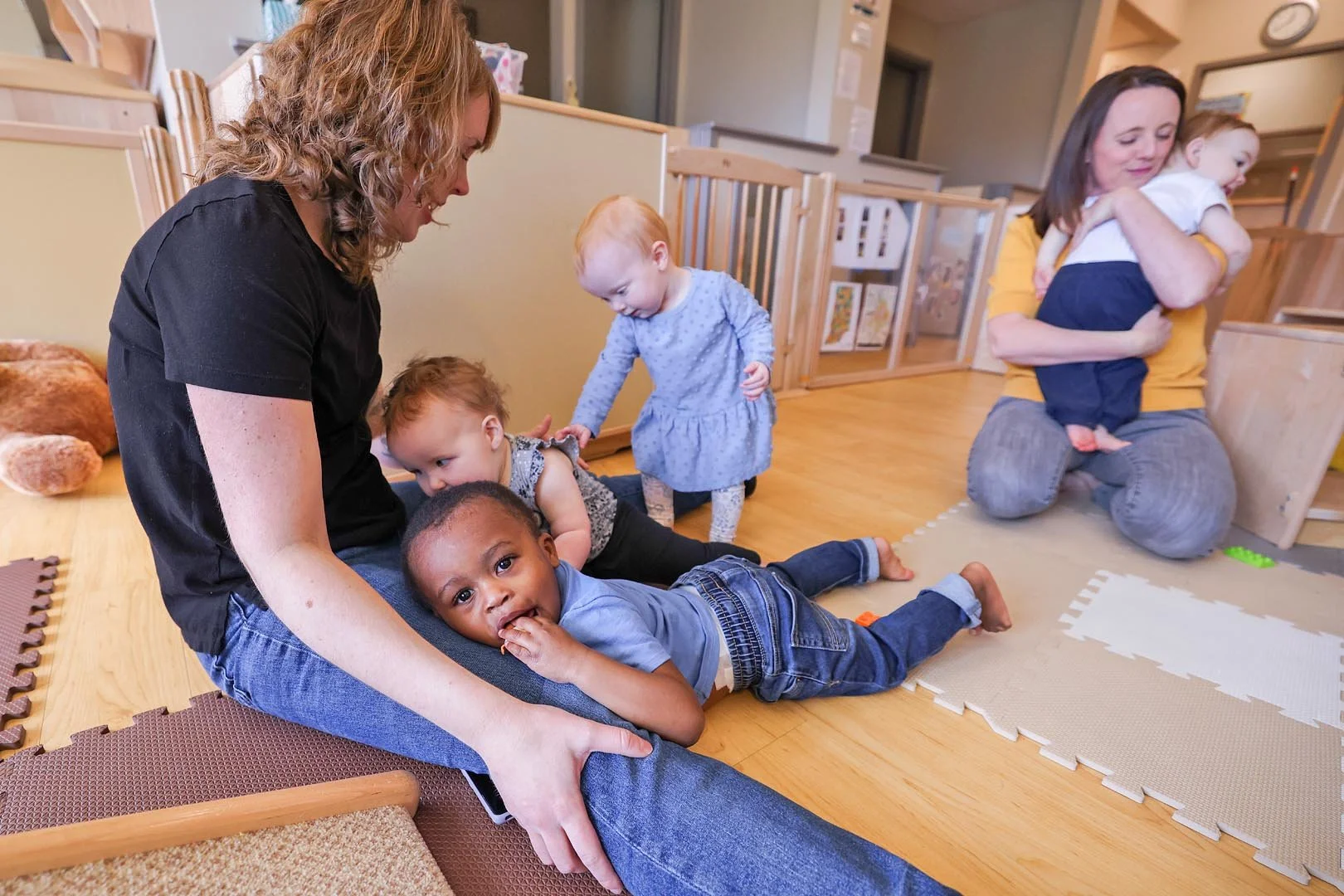
Continuity of care is just one part of our whole-child approach. Good nutrition is essential to healthy growth, learning, and well-being. That’s why we provide breakfast, lunch, and a healthy snack daily at no extra cost. Learn how we support physical health and mental focus >